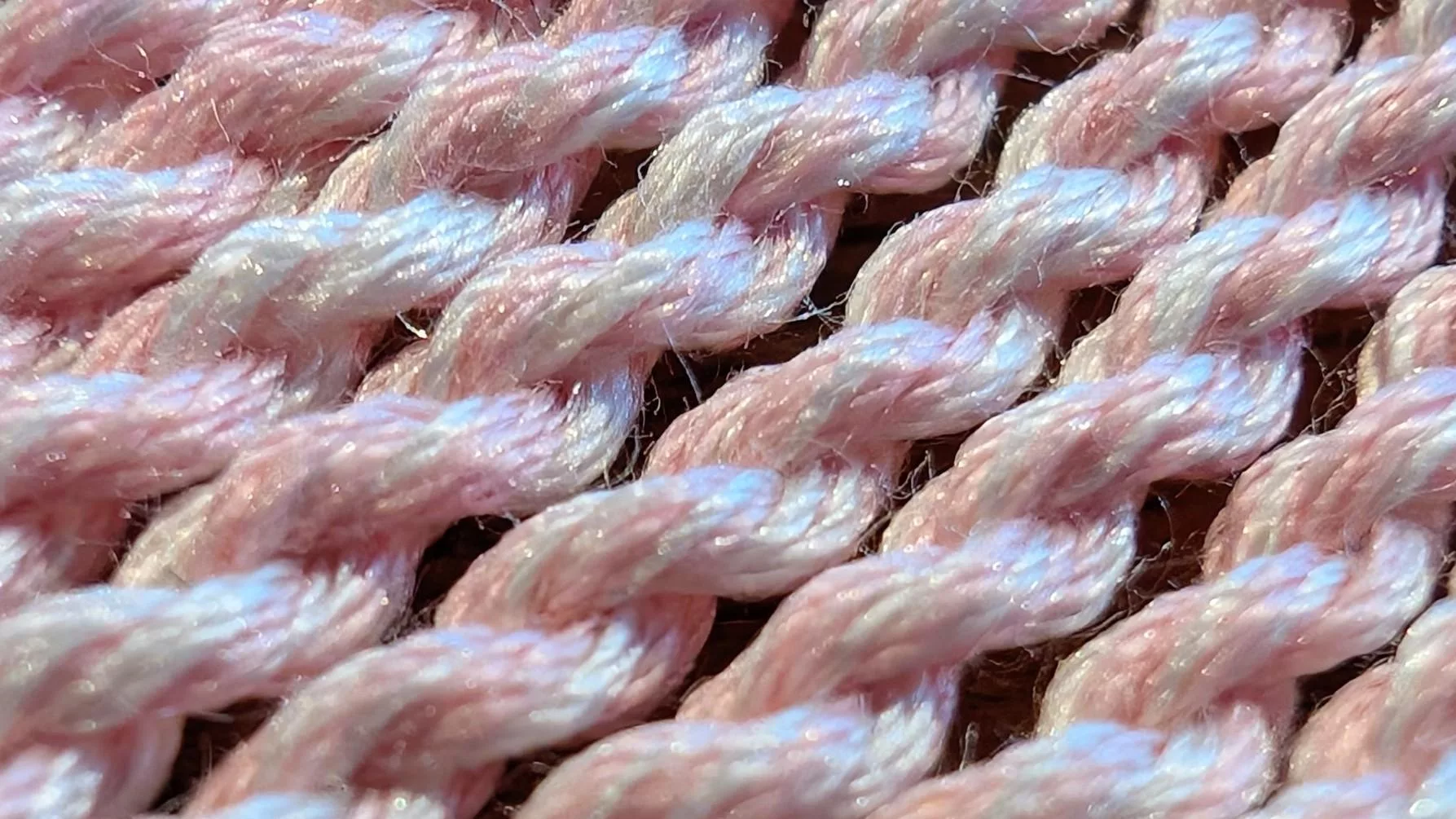
A yo-yo without a string is just a beautifully machined wheel. While collectors and players often obsess over the latest aerospace-grade alloys and bimetal weight distributions, the string is the unsung hero of the yo-yo world. It is the direct link between the player and the return top, the track upon which the yo-yo rides, and the medium through which every trick is executed.
Just as yo-yo bodies evolved from hard maple to titanium, the string has undergone its own quiet revolution. Here is the complete history of how the materials tying it all together have transformed over the decades.
The Early Luxuries and Workhorses: Silk and Cotton
In the very early days of yo-yoing, before mass production demanded cheap, durable materials, Silk was the ultimate premium string. Silk threads were incredibly smooth, offering an unmatched, frictionless feel on the finger and a beautiful natural sheen. However, silk was fundamentally impractical for the masses. It was far too expensive, and its delicate fibers wore down quickly under the friction of a spinning wooden axle.
Because of this, 100% Cotton became the undisputed king for the vast majority of yo-yo history. During the golden age of fixed-axle wooden yo-yos, cotton was an absolute necessity. It possesses the perfect natural texture to grip a wooden axle, providing the exact amount of friction required to make the yo-yo “sleep” and then quickly return to the hand with a sharp tug.
However, cotton has severe limitations. It absorbs sweat and oils from the hands, causing it to become grimy and lose its tension quickly. More importantly, the constant friction physically burns and wears through the cotton fibers.
The Golden Rule of Cotton: If you play with a 100% cotton string, you must change it frequently. Pushing a worn cotton string too far results in the dreaded “snap,” sending a heavy yo-yo flying across the room.
The Semi-Synthetic Experiment: Rayon
As players looked for alternatives to cotton that might replicate the smooth, luxurious feel of silk without the astronomical cost, string makers experimented with Rayon.
Rayon is a semi-synthetic fiber made from regenerated cellulose (wood pulp). In the yo-yo world, rayon strings are famous for being incredibly soft on the hands and possessing a brilliant, jewel-like shine. Unfortunately, rayon’s fatal flaw is its tensile strength. It is highly prone to breaking under sudden stress and stretches unpredictably, making it more of a boutique novelty for gentle play rather than a material suited for aggressive, modern trick routines.
The Bridge: 50/50 Cotton-Polyester Blends
As tricks became more complex in the late 1990s and players needed strings that would last longer than a few hours, manufacturers introduced the 50/50 blend.
By twisting cotton and polyester fibers together, string makers found a happy medium. The cotton provided the necessary grip for the response system to work, while the polyester vastly increased the string’s tensile strength and longevity. For a long time, standard “Slick 6” or “Slick 8” strings (named for the number of threads used in the twist) were the absolute standard for ball-bearing yo-yos.
The Modern Standard: Polyester
When the yo-yo world made the leap to fully “unresponsive” play—where the yo-yo requires a special string trick called a “bind” to return to the hand—the need for the grip of cotton vanished. This ushered in the era of 100% polyester string, which remains the dominant material today. But not all polyester is created equal; the modern landscape is defined by how the fibers are formed.
- Spun Polyester: This is made from short “staple” fibers that are spun together much like cotton. Because of these short fibers, spun poly feels fuzzy, soft, and remarkably similar to classic cotton. It provides excellent grip for tight binds and is gentle on the hands, though it tends to fray and lose its tension faster than continuous filaments.
- Trilobal Polyester: This is the secret weapon of boutique string makers. Unlike standard round fibers, trilobal polyester is extruded as a continuous filament with a triangular microscopic cross-section. This shape gives the string a higher surface area and allows it to reflect light brilliantly, giving it a shiny, almost metallic look. Because it is a continuous filament, trilobal poly is incredibly strong, smooth, and handles friction exceptionally well. Most importantly, it holds an open loop in the air perfectly, making it the premier choice for complex “slack” and “whip” tricks.
Note: Never use 100% polyester string on a wooden fixed-axle yo-yo. The friction will melt the plastic fibers, causing the string to fuse and snap almost instantly.
The Premium Synthetics: Nylon and Beyond
As modern competitive yo-yoing pushes the boundaries of physics, tricks require the player to whip massive loops of string through the air. To do this effectively, the string needs a certain amount of stiffness and weight to travel through the air without collapsing.
Enter Nylon. Nylon strings (or nylon-polyester blends) represent the premium boutique tier of modern string making.
- The “Whip” Factor: Nylon is heavier and slightly stiffer than polyester. When you whip a nylon string, it cuts through the air and holds its shape beautifully.
- The “Bounce”: Nylon has a slight elasticity to it, giving the yo-yo a soft, bouncy, and distinct feel when it lands on the string.
- Longevity: Premium nylon strings can last incredibly long, often outliving standard polyester strings by a wide margin.
The Perfect Tension
Today, making yo-yo string has evolved from a simple industrial process into a highly respected artisan craft. Boutique string makers carefully blend spun poly, trilobal poly, and nylon threads, experimenting with thickness and twist rates to create the perfect feel. The string is no longer just a tether; it is a critical piece of performance equipment.